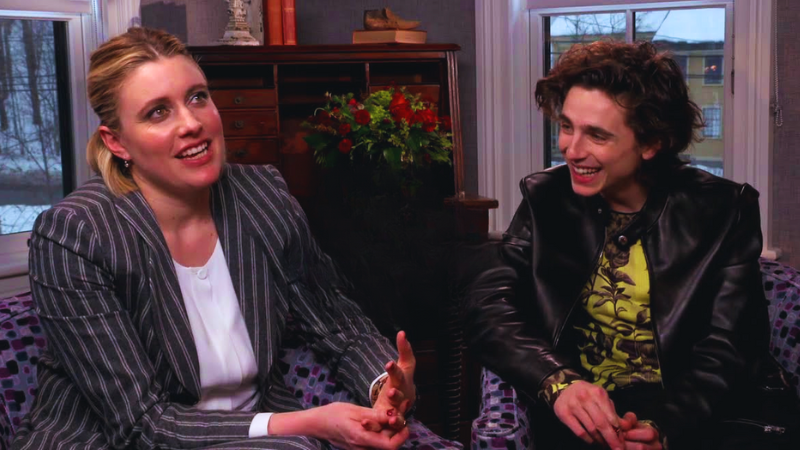
Each new Timothée Chalamet interview offers a window into modern acting: thoughtful, immersive, and at times revelatory. His latest revelations about diving into roles for Wonka and collaborating with Greta Gerwig affirm a new wave of method-minded performers who regard big-budget filmmaking as both craft and psychology. In a revealing conversation with Hollywood Ind.in, Chalamet opens up on building Willy Wonka from the ground up, tapping instinct for character, and forging relationships with directors who trust his process.
From Chani to Chocolate: Transitioning Genres with Ease
In just under ten years, Chalamet has journeyed from independent breakout in Call Me by Your Name to blockbusters and auteur-driven projects. Hitting comedic‑fantasy terrain with Wonka marks not only a tonal pivot but a rigorous creative shift. He described slapping on a velvet suit and crouching into whimsical musical choreography as being more strenuous than any period drama. “It’s a different muscle,” he says, “one that’s partly physical, partly emotional, and entirely playful.”
Yet the process felt deeply methodical. For Wonka, Chalamet didn’t just wear the costume—he lived the life. That meant wandering London in character, finding accents among street buskers, and obsessively studying the dichotomy between childlike joy and existential melancholy that Willy Wonka embodies. Between takes, Chalamet would write letters to fictional children, crafting backstory minute by minute. This level of commitment offers insight into how method acting thrives even amid bright fantasy.
Music, Movement, and Madness: The Physicality of Wonka
When pressed on choreography and dance, Chalamet’s eyes lit up. He spoke about training with classically trained dancers, learning musical staging and how to sell fantasy without slipping into parody. Each dance step carried story function—crooked posture suggesting emotional damage, slight hesitation during fluid hip movements hinting at area of distrust. Fans rarely appreciate how much goes into rendering even the most seemingly joyful moment believable.
Recording audio on set posed challenges too. Instead of traditional ADR, Chalamet recounted performing lanky dialogue over vinyl backtrack sessions with composer Joby Talbot, ensuring his rhythm never spoilt the musical environment. That nearly always meant extended rewrites and retakes until notation matched expression. Not even Call Me by Your Name had asked this level of physical and acoustic precision.
Diving into the Hypnotic Mind of Wonka
Chalamet described Willy Wonka as “a protective observer and an unstable creator,” his voice low with fascination. “He’s lived too long in his own sugary realm, so he sees life through sweet filters, but tastes everything in bitters.” For Chalamet, this character demanded emotional dexterity—cultivating joy as a shield while hinting at trauma beneath.
To track that arc, he performed mindfulness exercises on set, centering breath before each scene. He wore weighted shoe inserts during serious moments to ground himself physically, giving his stance an undercurrent of emotional gravity. In rehearsals, he confronted chirpy dialogue before strangers to test Wonka’s social composure. It wasn’t pleasant, but it was activating. Chalamet credits those exercises with unlocking “Wonka’s invisible ego.”
A Sweet Romance: Working with Greta Gerwig
The synergy between Chalamet and director Greta Gerwig sprouts from their work on Lady Bird and Little Women, where he took minor but revealing roles performed with vivacious detail. But shooting his first lead under her direction marked creative maturity.
The pair share language grounded in visceral imagery. He described moments on Wonka where Gerwig would whisper, “Be a carnival in your solitude,” before a take, or ask him to hum a childhood song before a fierce confrontation. Their creative needs align, creating mutual confidence. “I’d sit on her desk making chocolate‑colored crayons breakdowns of Wonka’s world, she’d just nod,” he recalls. That encouraged him to take narrative risks—part method, part emotional cartography.
Method, Mind, and Mishaps
His version of method acting is not seclusion—it’s openness. He took notes between cocktail events, making voice memos about feeling “thinly visible in patterned shirts” or “overheard schoolyard banter.” He rehearsed awkward pauses in public, practicing emotional layering outside isolation chambers.
One mishap became memorable: Terrified by Wonka’s gravity-defying candy pipes, he nearly fell into a vat of hot caramel during a tight take. Those shocks helped him internalize emotion, forgetting cameras exist. Gerwig let him ride the moment straight, and that visceral surprise made the scene sharper.
The Lure of Fantasy with Human Messiness
Chalamet elaborated that Wonka proves high-fantasy isn’t fluff—it can serve serious themes. For him, it’s a miracle when chocolate colored sets become metaphors for loss, healing, or family. He told a story of working in a chocolate room that was physically cold—an operative failure by the production team. Chalamet stood hugging himself in amber lighting, realizing this surreal cold not only suited Wonka’s emotional freeze but translated to audiences too. Such accidents reveal method isn’t always scripted—it’s sometimes accidental.
Preparing for Emotional Extremes
Beyond musical training, he took psychology courses in character pathology, researching why certain childhood wounds result in flamboyant creativity. He studied performers like Liza Minnelli and Karen Carpenter, analyzing how masks and unravelling beauty often hide pain. Especially during a monologue about Wonka’s family loss, Chalamet said he sat in an audience seat and spoke unexpectedly, channeling the performance’s authentic break. Tear lines appeared unscripted.
Returning to Collaboration Roots
Chalamet spoke fondly of reuniting with Greta. Their shared shorthand sprang from confidences. He remembers being the first to test Little Women’s attic scene, a sign of trusting instinct over rehearsal layers. The Wonka shoot felt like entering that attic again—more space, grown trust, bigger risks.
One late-night brainstorming session played music backwards on set. Chalamet and Gerwig would try speaking backward words—testing whether words or tone carried impact. It deepened Wonka’s eccentric affect.
Craft After Child Star Glow
He reflected on how fame complicates method. Recording Wonka post-Dune press blitz meant being photographed between takes. He learned to treat Google searches and paparazzi as ambient background traffic—not fuel for acting decisions. To sustain performance, he carved controlled moments of silence and found refuge in green rooms to write, pray, or think.
That self-care approach kept him anchored. He likened character transformability to emotional chameleonism: to inhabit fantasy fully, he first needed emotional roots intact.
Working Title, Working Heart
Chalamet sees how filmmaking can feel cold, but he worked to make his character warm. He compared Wonka to Dune: Part Two, where he also performed emotionally blistering scenes. The two roles sharpened each other—the flamethrower energy of desert prophecy balancing sugarstrip whimsy of chocolate feasts. Both roles demanded intimate emotional span, big idea storytelling, and personal touch.
Between these two, he felt accelerated growth. “I’ve never been more alive,” he said softly. “Willy Wonka pushed me to craft character through external oddity and inner quiet. He’s an experiment in emotional defiance.”
Interviews, Inspiration, and Preparation
Chalamet also revealed he studied children with rare synesthesia to approximate Wonka’s rich sensory connections. He walked auditoriums with sound-canceling headphones to test his threshold for sensory novelty. His preparation wasn’t for a big moment—it was to reach sustained emotional awareness across an entire movie.
Gerwig often referenced Roald Dahl’s unpredictability as inspiration. One day, she asked him to write a letter to Wonka’s younger self. Another day, she had him record a lullaby for Lucy, a little girl in the script, layering paternal empathy next to Wonka’s eccentricity.
The Intersection of Comedy and Psychic Gravity
Chalamet expounded that Wonka’s magic happens when comedy meets seriousness. His on-set comedic instincts informed sensitive moments. When he flubbed lines to a council of chocolatiers, Gerwig let the crew laugh—then captured Chalamet’s embarrassed face. That moment ended with an improvised confession. The scene stayed.
A similar pattern unfolded in a dialogue-heavy cafe scene, where Wonka preaches about making marshmallow—the recipe shimmering with metaphor. Chalamet built meaning in phrasing, quietly shifting tone as he angled his shoulders—small improvisations that layered subtext over whimsy.
Crossroads of Stardom and Innocence
During our talk, Chalamet paused and looked forward with a distant gaze. He’s lived public life since Call Me by Your Name, but he’s still learning how to navigate adulthood on camera. He described Wonka as a spiritual recalibration—returning to childlike exploration within adult frameworks.
Moments on set with Millie Bobby Brown and Rowan Atkinson allowed him to access youthful joy again. These interactions reminded him that acting doesn’t have to be psychologically destructive—it can transcend into playful discovery.
What Fans Can Expect
Chalamet teased that Wonka rises above origin story tropes. There are clear gestures towards family history, societal exclusion, and boundaryless ambition. The film builds empathy for a man who makes whimsical sweets, yet understands sorrow deeply.
Chalamet confessed a sequence of pure whimsy—a chocolate kaleidoscope filled with mirrors and sensors—left him awe-struck in real-life. “I cried, because it felt holy,” he said. That embrace of childlike awe didn’t feel fake—it felt necessary.
Lessons from the Process
Chalamet sees Wonka not only as performance but as emotional practice. He said he’ll walk into quieter life with better sensor calibration—listening, sensing, observing like Wonka—even when cameras are off. He’s learned resourcefulness in performance: emotional fluidity, physical presence, and instinct sharpened under whimsy.
The Future of Craft and Identity
Now approaching thirty, Chalamet talked of his evolving identity. He said he wants future work to stretch across genre—foreign art-house, experimental documentaries, and unpredictable collaborations such as Wonka and Dune. He wants to demonstrate range not by fewer blockbusters but by bolder storytelling.
Working with Gerwig made him confident cinema can be intimate and wide-screen equally. Character arcs can scale from whispered truths (Dune desert nights) to candy-melting dance numbers (Wonka). His artistic plans include assisting in directing or producing moving stories about adults rediscovering wonder—what he calls “emotional midlife resets.”
Final Reflections on Wonka and Cinema
He concluded our conversation by describing Wonka as “a midnight dream stitched together by sugar, sorrow, and wonder.” He said he hopes audiences leave feeling joyful and thoughtful, surprised at how candy can weigh heavy and how fantasy can reveal truth.
He expressed gratitude to Gerwig, his creative bedrock—a collaborator who taught him that method isn’t just emotional pretense, it’s listening with your entire heart. “In her world,” he smiled, “one small mix-up can lead to cinematic miracles.” That, in essence, is the philosophy shaping Wonka, and perhaps Timothée Chalamet’s evolving legacy.
Conclusion
In reflection, the interview revealed a performer prepared to traverse emotional extremes, from desert messianism to candy-color whimsy, all within a year’s work. His evolving method blend—physical, psychological, intuitive—marks him as one of his generation’s most compelling talents.
Crucially, his candid insights gave a glimpse into the discipline behind modern acting. With Wonka and Dune: Part Two, Chalamet isn’t merely delivering performances—he’s mapping emotional terrain for others to explore, learning what magic can come when an actor dare trust instincts, collaborators, and audiences alike.
When Wonka premiers next month, watch closely. You’re seeing an artist recalibrate cinema with each spoken line, elegant gesture, and whispered childhood secret. The velvet suit belongs to him—not as a star, but as a vessel for storytelling, carried forward by method, curiosity, and wonder.