When it comes to comic book royalty, few teams hold the legacy and weight of the Fantastic Four. While Marvel’s modern blockbuster empire is built on the backs of Iron Man, Captain America, and Spider-Man, it was Reed Richards, Sue Storm, Johnny Storm, and Ben Grimm who laid the cornerstone back in 1961. As Marvel’s first superhero team, they weren’t just about fighting villains—they were about family, science, exploration, and confronting the unknown.
Despite their groundbreaking role in comics, however, the Fantastic Four have had a rocky and often underwhelming journey on the big screen. Their cinematic adaptations have ranged from cult curiosities to commercial letdowns, never quite capturing the magic of their comic book counterparts. But with Marvel Studios preparing to reboot the franchise within the Marvel Cinematic Universe (MCU), there’s renewed hope that this iconic team will finally get the screen treatment they deserve.
So how did Marvel’s First Family go from pioneers of modern superhero storytelling to perennial movie underdogs? And why is their future—finally—looking brighter than ever?
The Fantastic Four: Born of Cosmic Wonder and Family Struggles
Created by Stan Lee and Jack Kirby at the dawn of the 1960s, Fantastic Four marked a revolutionary shift in how superhero stories were told. Instead of focusing on idealized, godlike figures, Lee and Kirby infused their characters with very human flaws and relatable emotions. The Fantastic Four argued, doubted themselves, held grudges, and yet always came back together. They were a family first and foremost, not a band of warriors thrown together by circumstance.
Their origin story reflects the era’s fascination with space exploration and Cold War science: a spaceflight gone wrong exposes the crew to cosmic rays, transforming them into extraordinary beings. But unlike other heroes, their powers also became burdens.
- Reed Richards / Mr. Fantastic: The team’s elastic leader is a genius often so focused on the future that he loses sight of the present—and the people who love him.
- Sue Storm / The Invisible Woman: Far more than just “the girlfriend,” Sue evolved into the emotional core and moral compass of the team, as well as one of Marvel’s most powerful heroes.
- Johnny Storm / The Human Torch: A brash, thrill-seeking young man who learns to grow up over time, Johnny’s impulsive behavior is often offset by his deep loyalty.
- Ben Grimm / The Thing: A former college football star turned rock-skinned powerhouse, Ben’s tragic transformation and gruff exterior hide one of the softest hearts in comics.
This blend of interpersonal drama, cosmic scale, and scientific curiosity set Fantastic Four apart. They didn’t just fight bank robbers—they explored the Negative Zone, battled Galactus, and invented the modern Marvel Universe as we know it.
More Than Just Heroes: The FF’s Cultural and Narrative Legacy
It’s easy to forget just how foundational Fantastic Four was to the Marvel brand. Their comic introduced major Marvel elements, including:
- Doctor Doom – Arguably the greatest villain in Marvel’s roster: a dictator, sorcerer, and twisted mirror to Reed Richards.
- Galactus and the Silver Surfer – Cosmic entities that elevated Marvel storytelling to mythic heights.
- The Skrulls – Shape-shifting aliens that have since become central to the MCU’s Secret Invasion storyline.
- The Multiverse and Negative Zone – Concepts that now dominate the MCU’s Phase 4 and 5 arcs.
They also pioneered serialized storytelling in comics. Ongoing subplots, character growth, and world-building started with Fantastic Four, paving the way for every interconnected superhero universe that followed.
At their best, the FF stories reflect a combination of optimism, sacrifice, and the pursuit of understanding. Reed Richards’ endless quest for knowledge, Sue Storm’s strength and compassion, Ben Grimm’s tragedy, and Johnny’s evolution from reckless youth to seasoned hero form the emotional bedrock of Marvel’s entire ethos.
The Films: A Legacy of Missed Opportunities
Despite this rich material, Hollywood has long struggled to translate the Fantastic Four to the big screen. Each attempt captured fragments of the team’s spirit, but none quite nailed the tone, depth, or scope that make them great.
The 1994 Corman Production (Never Officially Released)
Made on a shoestring budget by Roger Corman and never intended for public release, this film has become a legend in its own right. With bargain-bin effects and campy dialogue, it’s mostly remembered for its bizarre existence and the fact it was created solely to retain film rights. Still, some fans admire its comic-accurate costumes and earnest tone.
The 2005 and 2007 Fox Films (Tim Story Versions)
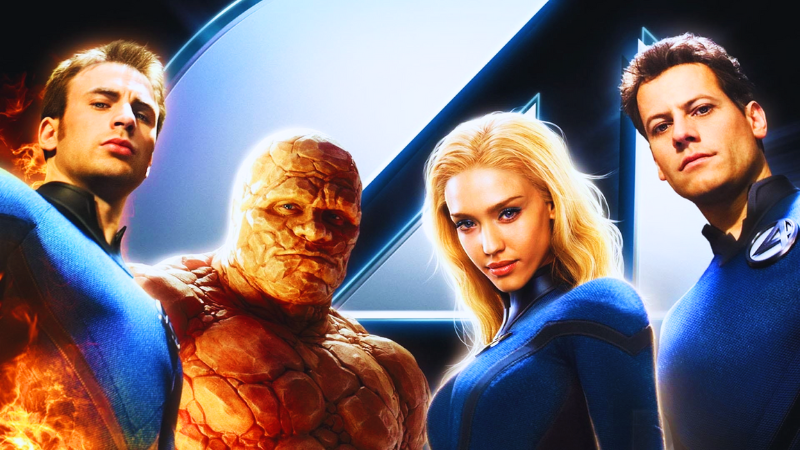
These big-budget studio films, starring Ioan Gruffudd, Jessica Alba, Chris Evans, and Michael Chiklis, aimed for accessibility and mainstream appeal. While commercially successful, they were tonally uneven, more sitcom than sci-fi adventure. Doctor Doom was underwhelming, and the films lacked the grandeur or thematic complexity the comics are known for.
The 2015 Reboot (Josh Trank’s Version)
Marketed as a darker, edgier take on the FF, the 2015 reboot was marred by studio interference and a troubled production. Despite a strong cast (Miles Teller, Michael B. Jordan, Kate Mara, Jamie Bell), the film lacked cohesion and heart. It failed both critically and financially, effectively ending Fox’s plans for a shared Marvel universe.
Why the Fantastic Four Reboot in the MCU Matters Now More Than Ever
The acquisition of 20th Century Fox by Disney in 2019 finally brought the Fantastic Four rights home to Marvel Studios. For longtime fans, this wasn’t just a corporate deal—it was a narrative opportunity. The First Family could now be introduced with the storytelling care, interconnectivity, and reverence the MCU is known for.
Director, Cast, and Vision (What We Know So Far)
- Director: Matt Shakman, best known for WandaVision, is set to helm the project. His work on the Disney+ series demonstrated a knack for balancing family dynamics, emotional complexity, and genre-bending visuals.
- Screenwriters: Josh Friedman, who co-wrote Avatar: The Way of Water, and Jeff Kaplan & Ian Springer are attached.
- Confirmed Cast (as of 2024 reports):
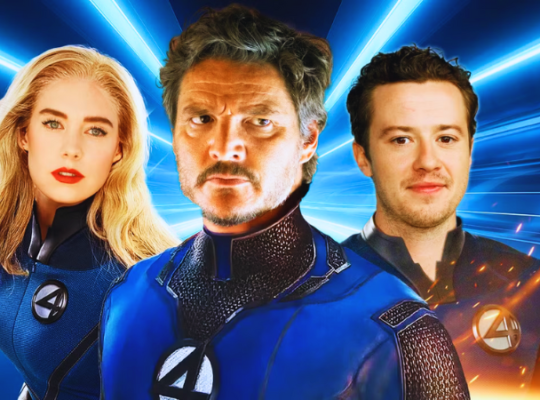
- Pedro Pascal as Reed Richards
- Vanessa Kirby as Sue Storm
- Joseph Quinn as Johnny Storm
- Ebon Moss-Bachrach as Ben Grimm
MCU Context and Opportunity
Bringing the Fantastic Four into the MCU means new layers of storytelling become possible. Reed Richards is often considered the smartest man in the Marvel Universe — and his potential connection to Kang the Conqueror, a known descendant of his, offers a compelling thematic arc. The team’s explorations into the multiverse, cosmic threats, and alternate realities could tie directly into MCU’s ongoing Phase 5 and 6 narratives (Secret Wars, Kang Dynasty, etc.).
What the MCU Must Get Right
Fans and critics alike are hoping that this reboot finally honors the full range of what makes the Fantastic Four unique. To succeed, Marvel Studios needs to focus on several key pillars:
1. Family Comes First
At their core, the FF aren’t about powers—they’re about people. Their dynamic as spouses, siblings, and best friends is what grounds the cosmic chaos. The reboot must give them time to breathe, argue, love, and evolve.
2. Science and Wonder, Not Just Action
The Fantastic Four aren’t just superheroes — they’re explorers and inventors. The MCU version should lean into that high-concept sci-fi identity: quantum realms, cosmic forces, interdimensional travel. Think Interstellar meets The Incredibles.
3. Doctor Doom Done Right
Victor Von Doom is not simply a villain — he’s a rival, a tragic figure, a man of brilliance twisted by pain and pride. Marvel must resist turning him into a generic baddie. Doom could be the next great MCU antagonist—if written with Shakespearean depth.
4. Visual Identity
Each Fantastic Four film has tried different aesthetics, but none quite matched the surreal, colorful, imaginative palette of the comics. With Marvel’s visual evolution (see Multiverse of Madness, Loki, Eternals), the reboot can embrace a Kirby-esque, dreamlike vision of science fiction.
5. A Place in the Larger Universe
Rather than introducing the FF as newbies, there’s potential to reframe them as lost time travelers or explorers from another dimension. This could explain their absence from previous events while opening doors to more emotional stakes and lore.
From Cautionary Tale to Crown Jewel?
The story of the Fantastic Four in Hollywood has, so far, been one of unrealized potential. They’ve been failed by tone-deaf adaptations, corporate misfires, and a general misunderstanding of what makes them great. But they’ve also remained resilient—just like the characters themselves.
Now, with the full force of the Marvel Cinematic Universe behind them, Fantastic Four is poised not only to reintroduce a cornerstone of Marvel history but to redefine the superhero genre once again. In an age of multiverses, moral complexity, and storytelling fatigue, the FF’s timeless themes of family, exploration, and idealism could be exactly what the MCU—and audiences—need.
Marvel’s First Family has waited over 60 years for their proper cinematic due. If the stars align, 2025 could finally be the year they come home.