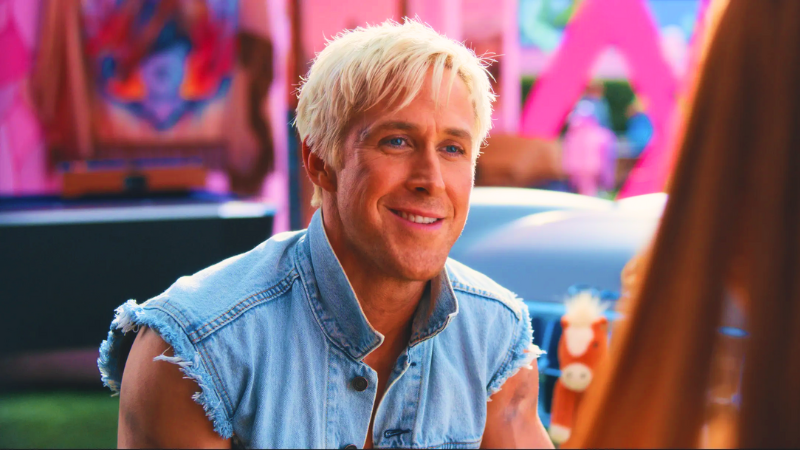
When Ryan Gosling took on the role of Ken in Barbie, it surprised many fans. Known for his brooding, layered performances in dramas like Drive and La La Land, Gosling appeared suddenly in pink ensembles and slicked hair, bringing a charisma-infused parody. Yet what looked like a simple comedic turn turned out to be a larger pivot—one that shows how Gosling is thoughtfully redefining his career by leaning into timing, self-awareness, and creative reinvention. In a wide-ranging conversation at New York’s Lucille café, he shared his process, reflections, and next moves.
From Dramatic Depth to Comic Flair
Ryan Gosling started in Hollywood as a nonchalant presence—quiet, magnetic, enigmatic. He was a compelling oddball in Half Nelson, he sang heartbreak into Blue Valentine, and danced rapture into La La Land. Few expected him to embrace an icon of plastic kitsch with so much gusto. When asked about that switch, he smiled and said that becoming Ken was a challenge rooted in absurdity. For Gosling, humor isn’t the default language, but he realized that comedy, like drama, requires precision and vulnerability.
He reflected on how playing Ken reversed his instinct. “In drama,” he explained, “you’re reacting to pain or longing. In comedy, you’re reacting to absurdity—purely external stimuli that you must ground in some sense of truth.” He likened his process to jazz improvisation. Just as in La La Land, he had to listen, dynamically respond, and keep the emotional scoring alive even over slapstick timing. That lesson carried into Barbie—Ken’s self-importance collapses beside Barbie’s agency, but Ken sees his own value anew. Gosling describes Ken as a man reaching for meaning in a world built around someone else, and that emotional core kept him grounded, even amid pink limelight.
The Art of the Extended Absurd
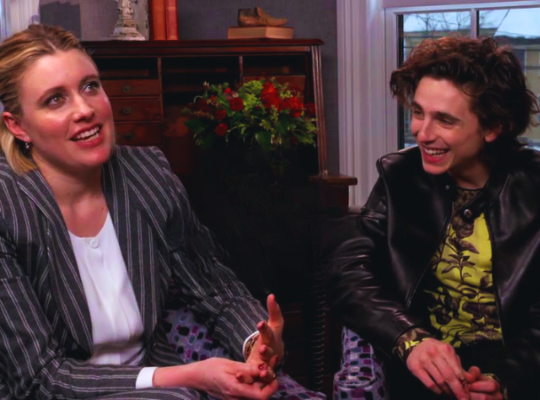
Gosling credited director Greta Gerwig for trusting the moral weight of Ken’s arc as much as his comedic missteps. The scenes that resonated best with audiences were those where Ken stared into infinity on a lifeguard tower or attempted a “Ken-spiracy” immersion in feminist power. These bits aren’t random jokes—they’re dramatic monologues hiding in comedy suits.
Behind the scenes, Gosling would gather with writers to hone each gag’s emotional heartbeat. They talked about how Ken’s jokes would land depending on rhyme, duration, and confidence. He recalled a table read where one punchline was just a phrase until they extended the pause, let the joke float, and then dropped the tag—silence followed by laughter. That silence was the key: timing isn’t just punchline delivery; it’s knowing how long to stay in the discomfort before reprising your context.
That awareness transformed his process. On shooting day, he wouldn’t just memorize the line—he performed mini dry runs between takes, feeling half-crazy but holding space to let the scene breathe. He told the crew he didn’t want Ken to be a punchline but a mirror for the audience—someone disastrously charming, kind of extra, holding his absurdity with pride—but hoping that someone would see the person behind the plastic hair.
Learning to Laugh at Himself
Ryan Gosling’s discovery of humor involved confronting his own dramatic image. He shared a moment on location where he had to perform a funny dancing bit, but lost his footing on the rain-slick set, and went right into a mock fall. The entire cast broke character, including Margot Robbie, who turned the shot into an impromptu riff. Gosling decided to embrace those falls as part of Ken’s world. The mistake became part of his rhythm—Ken’s life is sometimes a pratfall, but he always gets up with a twist.
He told me this vulnerability rechanneled something deeper: fear of looking foolish. Instead of avoiding it, Ken leaned into it. Gosling realized that once he became okay with shame, he could push harder. “Ken doesn’t live in shame,” he said, “he lives in disbelief. I had to learn that—and I learned that I could relax into risk.”
Ken Doesn’t Just Exist—He Evolves
One conversation point surprised fans: Ken’s development mattered more than his jokes. Gosling praised Rolin Jones’s screenplay for giving Ken spiritual upsides: Ken’s search for identity and representation mirrored real-world emotional journey. Gosling experienced his own reflection: he recognized that Ken’s initial sycophancy hid real fear—fear of invisibility, of being a trailing figure. Gosling resonated with that, comparing it to early career struggles—of auditioning for dramatic roles that never came, and early awards-buzz that felt fragile.
“In a way,” Gosling mused, “Ken’s character poked at a deeper feeling inside me: worth from external validation is shallow. Ken’s shiny exterior was hiding every man’s worst fear—being optional.” The process was therapeutic. As he dug into Ken’s arc—his surprise uprising, his twist of copying Barbie’s voice without permission—Gosling realized “Ken’s journey is yours, mine, everyone’s.”
Physical Comedy as Emotional Narrative
Gosling spent early days working on comedic physicality. He mentioned meetings with choreographers who taught comedic posture shifts—one lean forward equals interest, extra lean backward signals disbelief. He practiced in the mirror, walking like Ken: exaggerated chest, hair flipped back, plastic-glow stance. He compared it to Jim Carrey’s elasticity. But Gosling stressed that it wasn’t mimicry; it was chosen movement tied to emotional intent. When Ken flexes or puffs up, that movement is a protection mechanism—part hubris, part heartbreak.
Those layers become clear in scenes where Ken waves fervently to invisible boats or stands in front of the Mirror Mirror joke, wiping away tears of excitement. Those physical quirks are seeds of true emotion. Gosling sees Ken as the paid extra in the film of life, only to see himself glimpsed in the lead role when he least expects it.
Improvisation and the Magic Moments
The article writer invited Gosling to share about a particular improv moment that ended up in the final film. He recalled a scene where Ken serenades tourists with a song made up on the spot: he stuttered mid-line and switched to humming. Gerwig and co-writer Noah Baumbach shot it sideways, capturing Ken’s embarrassment turning into pure joy. The moment resonated so well they decided to leave it in—a purified moment of honesty.
Gosling positioned this moment as emblematic of what he hopes actors can do. Comedy isn’t always scripted perfection. Often it’s revelation. Even 200 takes of the same joke can break—something raw will emerge. When that happens, he said, “You’re in the room. You’re Ken, finally, turning yourself inside out.”
How Comedy Redefines His Future Path
When asked whether he’d pursue more comedy, Gosling laughed. He said yes—but with conditions. He’s not chasing punchlines. He’s chasing truth and human connection. He revealed interest in voicing an animated character—maybe one discouraged sidekick who finds redemption. He’s eyeing indie films—describing them as uneasy comedies, human dramas with ironic perspective. He’s also exploring producing more creative projects that elevates emotionally layered storytelling.
He said directors approaching him after Barbie ask for comedic timing, not just brooding looks. He’s enjoying explaining the difference. He says that actors often rely on emotional echoes alone, but comedy requires disciplined emotional control—a precision that awakens new empathy muscles.
The Playfulness of Stardom
Ryan Gosling admitted that becoming Ken also brought lighter publicity moments. The Saturday Night Live cameo after Barbie was a highlight—he chased a squirrel on stage wearing the same chamber-of-commerce grin. He described the experience as liberating: it let him walk the stage without camera lenses stalking him, without the solemnity of awards-night silence.
These playful turns remind the public—Gosling is funny. He may have played tortured geniuses and sensitive musicians, but he can also do physical comedy well. He hopes people realize that humor underpins honesty. A character like Ken, who laughs at himself, invites the audience to laugh too—and maybe feel seen.
Mentors, Castmates, and Creative Support
He spoke warmly about Margot Robbie, who he thinks is the secret anchor in Barbie. She models balance, ensuring the film is affectionate, not cruel. He credits the cast—America Ferrera, Michael Cera, Will Ferrell—for their instincts and care during comedy-versus-pathetic scenes. He talked about Greta Gerwig’s ability to allow mistakes, invite collaboration, and hold trust in vulnerability.
When storyboarding comedic beats, Gerwig would invite them to say anything, to riff freely. Gosling recounted a day when Ken was supposed to perform motivational chest-thumps, but turned instead to sobbing laughter. That moment made Kevin Hart laugh so hard the camera stopped rolling. It became essential. Those mistakes became jokes.
What’s Next: Navigating a Renewed Identity
When asked what comes next, Gosling paused thoughtfully. He’s scheduled for a few tough dramatic roles again—a psychological thriller, a science-fiction film with societal subtext, and a potential Christopher Nolan collaboration. Yet he also teases a comedic indie character, a lonely widower turned after-school volunteer, discovering purpose. He hinted that the project reflects his own fatherhood values.
He emphasized that one of his next roles might explore family’s changing emotional landscape—how men show fragility in midlife, how humor becomes a shield. In that sense, Ken was practice. It was stretching into public perception and uncharted emotional territory. Now he’s applying those lessons toward roles that require depth and warmth.
Reflections on Public Image and Vulnerability
Pulling back from the screen, Gosling talked candidly about how image shapes you. He acknowledged his earlier stigma as “the handsome guy who could barely talk.” He made reference to how critics labeled his early roles as ‘empty charisma,’ and thus he learned early to take craft seriously. Now, after playing Ken, he realizes that giving audiences delight can be just as courageous as being stoic.
That vulnerability builds trust. He cites Mila Kunis and Ashton Kutcher’s philanthropic fame and Chris Pratt’s second-chapter pivot as examples. Gosling hopes his openness about embracing shame, comedic failure, and creative curiosity helps redefine modern masculinity and emotional range in Hollywood men.
The Ken Legacy and Beyond
Gosling believes Ken’s legacy will endure not because of pink suits, but because of relatability. He hopes audiences remember Ken’s journey—from ignoring his feelings to discovering self-worth—but also that Gosling broke his own typecasts and watchers noticed the humor hiding in everyday despair.
He sees Ken as the first wave in a series of oddball characters he’d like to explore—characters who present as confident but live with shallow foundations. Ken was the prototype of a man performing himself until he finds the script inside.
Comedy as Sincere Storytelling
As the interview came to a close, Gosling reflected that he feels energized, excited about carving his own category. Comedy may belong to actors like Adam Driver, Joaquin Phoenix, and Philip Seymour Hoffman—traditionally dramatic performers who learned comedic restraint late. He hopes his journey inspires more actors to cross that line.
He left with a final word about Barbie’s impact: “It’s not about pink aesthetics. It’s about empathy, vulnerability, and laughter. Ken’s arc—like ours—feels real when we let ourselves fall, then laugh at the tumble.”
Conclusion
Ryan Gosling’s transformation into Ken wasn’t just a career pivot—it was a creative declaration. Through disciplined absurdity and emotional truth, he transformed comedy from an accessory into a legitimate limb of his acting philosophy. As he prepares for his next chapters—some serious, some strange, some hopeful—we understand how pivotal Barbie was in freeing him to experiment, to stumble, to grow. In a world racing toward celebrity fixations, Gosling reminds us that comedy is still an act of courage and that the plastic doll inside may reveal our humanity, one laugh at a time.