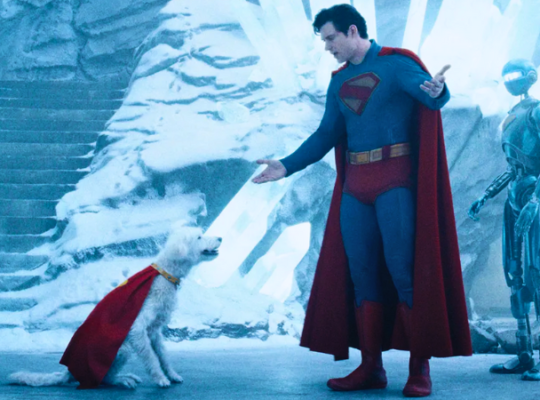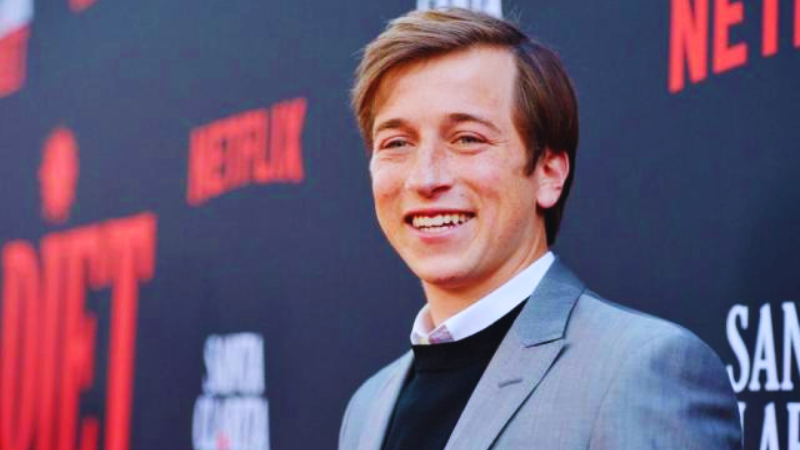
In the glitzy world of tentpole cinema, castings can cause a stir. But few backstories evoke both humility and clarity like that of Skyler Gisondo, the actor who joined the cast of James Gunn’s Superman as Jimmy Olsen. During his audition, Gisondo believed he was reading for Clark Kent—a misunderstanding that illustrates not just the surprisingly grounded sensibilities of the new Superman direction, but also the chemistry casting directors sought to form within this iconic ensemble.
As Superman races toward its July 11 release, reactions to his casting echo fandom, curiosity, and strategic clarity. Gisondo’s reflection on his audition journey offers insight into how seriously Gunn and his team approached the roles while disrupting expectations in meaningful ways.
The Genesis: Gisondo’s Unexpected Opportunity
Skyler Gisondo graduated from Disney Channel fame into a career spanning indie darlings like Vacation and Booksmart, along with voice roles in animated projects and recurring turns on broadcasts such as The Righteous Gemstones. When rumors circulated that casting calls were happening quietly under the radar, Gisondo remembers being what he called “preparing for an audition that wasn’t what I thought it was.”
In an interview with Entertainment Weekly, he recalls sitting across from producers and Gunn himself, reading lines unaware of which character he was representing. The welcoming tone of the room reminded him of waltzing into an open-door casting call for Clark Kent. It felt warm, humane, unpretentious. He was ready to impress.
And yet, as script pages revealed inside jokes, youthful banter, and reactions that felt too snappy for Superman himself, he began to suspect he was auditioning for a brighter, quippier role—Jimmy Olsen.
“A Bad Casting Choice” for Superman
Gisondo’s reaction wasn’t humility for its own sake. When informed he was reading for the indispensable Daily Planet photojournalist, he laughed at how flat his audition would have been if he’d played the Man of Steel himself. He told the press, “It was a relief—because there’s no way I can pull off that Kryptonian gravitas.” His honesty resonated with fans who worry about Clark Kent being too stiff or too slick.
During pre-production, Simon Russell Beale was reportedly considered for Jor-El, and Nicholas Hoult was cast later for Lex Luthor. When Gisondo was offered Olsen, he learned the role was going to be upbeat, quick-witted, but still aligned with Gunn’s more human-focused approach to the Duke of Metropolis. That mix of grounded realism and charm is central to Gunn’s Superman, reversing gritty tropes of previous DC films in favor of lighter, emotionally rich storytelling.
Jimmy Olsen: Guardian of Heart and Humor
Jimmy Olsen is more than a side character. In Gunn’s film, he functions as a humanizing anchor—a reminder that superhero stories are ultimately about people. With Stewart’s Lois Lane portraying fierce rigor and Corenswet’s Clark Kent finding his internal compass, Olsen must ground them and, by extension, the audience.
Gisondo approached the character as less of a juvenile sidekick and more of an integral support system. The production rehearsals reportedly emphasized that Olsen is the glue: the guy telling jokes while breathing life into Clark’s courage and Lois’s conviction. Gunn’s style values ensemble chemistry, and Gisondo was chosen for his ability to spark laughter, not overshadow heroism.
It’s a performance that aligns with Gunn’s earlier universe. In Guardians of the Galaxy, he avoided casting inexperienced performers in tonally important roles. Gisondo wasn’t just there to cheer. He was there to carve an emotional groove.
Casting Context: Gunn’s Collaborative Vision
James Gunn’s early promotion meetings underscored one central note: this version of Superman would lean into heart. He pitched it as a story about goodness and heroism in a world that craves them—an idea he reiterated as filming wrapped, and again in recent interviews.
As Gunn assembled his cast, he and Peter Safran aimed for actors who could balance charisma, vulnerability, and perspective. Lois Lane demanded a performer formidable enough to challenge Superman while vulnerable enough to love him. Clark Kent required dignity and humility. And Jimmy Olsen needed lively levity with integrity.
Olsen’s portrayal is key—they never wanted someone who felt too childlike or too polished. They wanted someone who would read like your best friend, offering sincerity and just the right note of humor. Gisondo fit the bill because he’s neither a teenager nor a polished veteran. He brings an in-between warmth.
Navigating Superhero Fatigue with Authenticity
Gisondo admits that superhero fatigue is real. He noted that while fans say they’re tired of capes, it’s really about authenticity. “They want heroes,” he said, “but heroes who feel human.” Olsen’s presence—often the positive pep in dark moments—plays to that appeal.
Marvel and DC have each tried their version of a human anchor: Guardians of the Galaxy leaned on Peter Quill’s awkward charm, Wonder Woman had Steve Trevor’s grounded perspective. Gunn’s take builds on that tradition while reflecting modern desires for connectivity and emotional resonance. Gisondo’s Olsen, rather than comic relief, is likely emotional ballast.
A Team Approach: Scenes That Shape Olsen
Few scenes illustrate Olsen’s function more vividly than the sequence introduced in the trailers—Olsen, Clark, and Lois outing Lex Luthor’s corruption through a dramatic exposé. In that moment, Gisondo’s character isn’t just there to click cameras; he’s there to capture moments of humanity in chaos. He challenges Clark’s fear, supports Lois’s conviction, and shows genuine faith.
The scene reportedly went through many versions. A version that featured Gonzales as Clark without Olsen reading documents was flat. Gunn rewrote so Olsen had a chance to intentionally frame the moment, ask questions, and express doubt before jumping into action with a roar. When we all gasped at disclosure, Gisondo wept with it.
Filming took place across several British Columbia locations—crisp offices, rolled-on water towers, and open plazas. During weeks of shooting, Gisondo’s improvisational streak was appreciated—he brought small but telling details, adjusting lens flares, suggesting reactions on the fly. That spur-of-the-moment energy is a hallmark of Gunn’s collaborative sets, and Olsen’s scenes benefited from it.
From Unknown to Spotlight
Gisondo’s casting accomplishes two aims: it injects fresh energy, and it signals a break from marquee chase. Instead of hiring celebrity cameos, Gunn chose an actor whose recognition doesn’t overshadow his character. Olsen may be new to superhero prominence—but he’s not supposed to be overshadowed.
In an era where every franchise star seeks name recognition, this approach is daring. But J.J. Abrams, Patty Jenkins, and others have tolerated quiet casting before: Jenkins tapped an unknown for The Eternals, Abrams promoted Adam Driver to stardom through Star Wars, and yet the projects remained grounded.
Gisondo’s Olsen helps Superman walk a line between comfort and surprise. We know him, but not like a household brand. He’s a basis of trust, someone fans can root for rather than idealize from the start.
Backstory: Gisondo’s Journey in the Biz
Born in Palm Beach in 1996, Skyler Gisondo started acting in elementary school. He earned early acclaim in comedic roles and voice work, but after Booksmart and Vacation, he made a strategic shift. He studied music and improv, diving deeper into character-based comedy. The Superman casting marked his entrée into big-budget stakes without swapping sincerity for spectacle.
Gisondo credits directors such as Olivia Wilde and Richard Linklater for helping him grow. But more than that, his experience as a working-class Californian grounded him—his parents lived paycheck-to-paycheck. He didn’t set out to become a hero; he just wanted to find truth in roles.
That truth arrived at Gunn’s audition room. Although he didn’t expect Olsen, he trusted the fit. The surprise—I’m Olsen—felt like validation. And when he realized the role’s reach, he knew he’d landed a break no one planned but everyone will remember.
Olsen’s Evolution in DC History
Jimmy Olsen first appeared in comics as a brash kid with a press pass. Over decades, adaptations have turned him into both joke and hero—support character and conscience. In many versions, he’s visible—but rarely vital. In Gunn’s Superman, the aim was different.
The creative team reimagined Olsen for modern storytelling—his photography translates to storytelling in Danvers Fiber optics, but more importantly, his curiosity and courage spark emotional undercurrents. This is a Jimmy who confronts fear even when he doesn’t have superpowers. He’s not innocent, but uncompromised. That, Gunn says, is what good heroes must be: brave not because they’re invulnerable, but because they care.
Gisondo’s portrayal reportedly involved research into journalistic ethics, press freedom, and newsroom culture. He spent time with interns at the Associated Press and explored the whispered world of newsroom gossip and power dynamics. This methodical depth shaped a Jimmy confident enough to ask questions—but humble enough to learn.
Fan Reaction: Hope, Anxiety, and Excitement
Since the first character photos emerged, social media has erupted. Some fans wanted a more iconic Olsen—blonde, square-jawed, loud. Others cheered the youthful, neurotic vibe Gisondo brought. Gunn responded: this is a version of the world, not the world itself. It’s an interpretation rooted in character chemistry.
Debates blossomed: would Olsen have a full arc or be sidelined? Would he shift toward comedy or remain serious? Gunn’s teaser trailers politely refused to spoil that. Audience reactions during early screenings in New York and London were revealing. Viewers confessed to wiping away tears when Jimmy called Clark “family,” celebrating that sentiment as core to humanized Superman.
Stephan Corenswet and Rachel Brosnahan have noted that Olsen’s energy helped save production days when scenes felt timid. Their anecdotal stories amplify this: when sets fell flat, Gisondo brought spontaneous emotion that reminded everyone why they were filming this story.
What Comes After Opening Weekend
While Gisondo was downplaying his role when asked if Olsen could carry his own spin-off—“Maybe a gift shop documentary,” he joked—it’s this humility that makes him effective. But what Gunn’s Superman signals is bigger: sidekicks can be central without overshadowing, and emotional depth can rest in unexpected actors.
If the film hits box office targets—tracking around $100–$130 million domestic—Gisondo’s Olsen may become part of a shared cinematic foundation. Assuming audience approval, future films may give Olsen even more to do—investigative arcs, deeper relationships with Clark and Lois, or inspirational leadership within the Justice League.
Casting Choices Beyond the Comic Template
Skyler Gisondo’s audition mix-up illustrates a profound point: sometimes, the best choice is the unexpected one. He wasn’t mistaken—he was measuring humility, kindness, and curiosity, qualities central to maintaining the world’s moral and narrative center. Olsen is readable, relatable, and real—an emotional compass in literal and thematic sense.
That early misdirection—believing he’d read for Clark Kent—processed into a moment of resonance: Gunn cast Olsen precisely because he wasn’t Superman. He’s the one who witnesses awe, not creates it. And that may prove revolutionary in a world that expects heroes to be born perfect. Sometimes they just need someone to remind them why they’re needed.
With opening weekend looming, Gisondo’s Olsen stands poised to be this generation’s emotional fingerprint—a reminder of why we watch. He thought it was a bad choice. Gunn knew it was the perfect one.