
The Democratization (and Disruption) of Casting
From Headshots to Hashtags: How Discoverability Has Changed
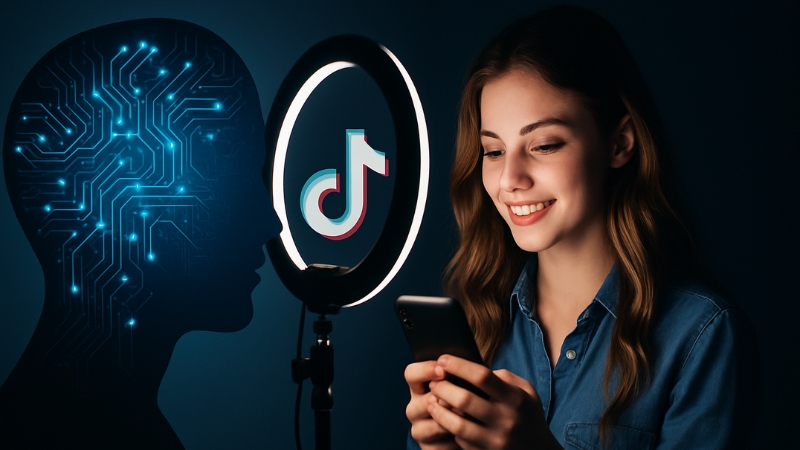
Once, casting hinged on curated headshot piles and an agent’s Rolodex. Today, TikTok videos, Instagram reels, and YouTube shorts have become powerful talent pipelines. Casting directors report actively mining viral content—beyond follower count, they’re looking at raw performance, creative voice, and on‑screen magnetism.
But the flip side? Volume. In-person sessions allowed maybe 30 auditions per day; self‑tape systems now enable thousands. A single show might receive tens of thousands of submissions for a single role—more choice, less control.
The New Audition Pipeline: Social, Self-Tapes, and Machine Learning
The casting funnel is now multi‑layered. First: self‑tapes via platforms like Casting Networks or Backstage—shot, lit, and edited by actors themselves. Then, AI analytics scan tapes for tone, sentiment, and even matching dialogue pacing using computer vision and sentiment models. Finally, social metrics (engagement, demographics) can tip casting scales—“casting by numbers” influences decisions in youth‑focused genres.
A 2025 survey of casting directors revealed that 60–70% now request self‑tapes over in-person callbacks, even before considering social/AI filters. And while social presence alone rarely wins a role, it often secures a pulse-check: can you sustain a following while anchoring emotional truth?
How Casting Directors Are Using AI and Social Data
Talent Scouting via TikTok, Instagram Reels, and YouTube Shorts
Casting teams increasingly turn to short‑form video platforms for discovery. TikTok, Instagram Reels, and YouTube Shorts offer instant access to raw, unfiltered performances—organic emotions, comedic timing, and range. Casting directors now look beyond sheer follower counts: they’re inspecting authenticity, emotional impact, and on‑camera presence.
Maya Hawke (Stranger Things) noted some producers set minimum combined follower quotas for cast members, showing how digital reach is influencing funding decisions, even if talent agents resist the metric-driven approach. Still, platforms like Backstage now integrate creator profiles and direct links to TikTok/Instagram reels, positioning social‑media-savvy performers in the casting spotlight.
AI-Powered Profiling — Matching Talent to Roles with Predictive Models
AI‑driven casting platforms analyze massive data sets—including past auditions, performance styles, demographics, and audience engagement—to predict role fit. Tools like Largo.ai, Cinelytic, and bespoke studio systems rank actors based on everything from on‑screen presence to social‑media resonance.
Scenario: A studio wants a capable comedic lead aged 18–25, with audience affinity in the 18–35 demo. AI models cross‑reference self‑tapes, TikTok sentiment, franchise success likelihood, and previous collaborations to shortlist candidates, cutting days of manual review to minutes.
Proponents say it democratizes access to overlooked talent by scoring objectively; detractors worry it encourages formulaic casting and biases baked into training data.
Data‑Driven Chemistry Tests and Sentiment Scoring
After individual fits, AI can even simulate on‑screen chemistry. Advanced systems analyze side‑by‑side audition pairings: facial micro‑expressions, vocal harmonics, and emotional cadence. Using emotion‑AI and NLP, they deliver “sentiment scores”—predictive metrics estimating on‑screen rapport.
Cast‑directors now include sentiment‑analysis flags in their dashboards: does this duo “read” well? Are their emotional beats in sync? This lowers the risk of audience rejection or mismatched casting pairings, particularly powerful in ensemble or franchise casting.
While still experimental, these chemistry tools are gaining traction: “AI draws on data from…self-taped auditions, past performances, even social‑media engagement to predict who will be a hit”.
Impact for Creators
- Performance analytics as feedback: AI platforms like AuditionLead and AuditionOne offer immediate emotional and technical feedback—helping actors refine tone, pacing, and delivery before submission
- Visibility through content: Aspiring actors with strategic reels and emotive self‑tapes can surface in AI filters even without traditional agents.
- Algorithmic bias carries weight: Talent teams must watch out for amplifying systemic biases toward established looks, language, or engagement metrics.
Casting is more democratized—but also more data‑driven. Talent now competes on both emotional resonance and statistical fit.
Building a Personal Brand That Attracts Casting AI
Optimizing Your Online Footprint for Discoverability
In 2025, casting professionals increasingly treat an actor’s social presence like a live portfolio—not just tallying followers, but gauging engagement quality, content coherence, and audience loyalty.
Here’s how to sharpen your digital impact:
- Audit and curate: Consolidate your online voice across your website, TikTok, Instagram, and YouTube. Remove outdated or inconsistent content and ensure all platforms reflect your current brand identity.
- Leverage AI smartly: Use tools like Jasper, ChatGPT, or Canva AI to generate consistent, on-brand post templates and content brainstorming—but keep your authenticity intact.
- Own your search: Engage in community Q&A, use SEO-friendly tags, and post platform-native subtitles to boost discoverability. Recruiters and agents often “Google” an actor’s name—make sure results are aligned with your professional persona.
Keeping your online footprint polished, cohesive, and discoverable amplifies your chances of surfacing in AI-driven talent pools.
Leveraging Micro Influence: Engagement Over Follower Count
Casting algorithms prioritize engagement metrics—likes, shares, watch-through rates, and comments—over raw follower numbers. Micro-influencers (10K–100K followers) typically outperform large accounts, boasting 2–3× engagement rates and deeper audience connection.
Strategies for actors:
- Create short-form reels that showcase monologue-range or comedic beats—one viewer’s well-targeted engagement can outshine 100 passive followers.
- Build niche communities around genres or acting styles. Authentic conversations in comments (e.g., responding to feedback or fan posts) can signal genuine audience anchoring.
- Monitor your analytics: know which posts spark comments or shares, then iterate. Algorithms favor consistent, high-engagement creators.
Ultimately, casting AI “reads” audience resonance, so engaging content—even from smaller accounts—can punch above its weight.
Tagging, Hashtags, and Consistent Content Strategy
Casting systems—and algorithms alike—depend on metadata:
- Hashtag precision: Use niche-specific tags (#actorlife, #selftape, #monologuetuesday) to target specific casting pools.
- Structured posting schedule: Regular content (e.g., three TikToks a week) signals consistency—a quality algorithms reward. Diverse formats (duets, POV scenes, behind-the-scenes) communicate versatility.
- Cross-link strategy: Tie your casting-site profiles (Backstage, Casting Networks) and Instagram to show reel playlists. Platforms increasingly crawl cross-domain links during profile vetting, so a cohesive ecosystem matters.
- Transcripts & text metadata: Include dialogue transcripts or brief scene tags. AI casting tools often parse text metadata in uploaded self-tapes or social content for tone, pacing, and emotional keywords.
A disciplined tagging and content strategy ensures that both human scouts and AI engines can find, parse, and prioritize your best work.
Key Takeaways for Creators:
- Polish your digital brand with clarity, consistency, and authenticity across all platforms.
- Embrace the influence of engagement, not follower vanity—micro-audiences often score higher in casting algorithms.
- Tag smart, post regularly, and cross-link deeply—casting AI is scanning for structured metadata and steady performance cadence.
Curious to dive into optimizing self-tape formats for AI-friendly formats next, or shall we unpack audition lighting, framing, and performance hacks that “read well” to analytics systems?
The New Rules for Self‑Tapes and Virtual Auditions
Framing, Lighting, and Performance for AI‑Reviewed Tapes
High-quality self‑tapes still start with fundamentals, but now bots and casting directors alike rely on crisp visuals and expressive cues. Production-grade guidance emphasizes:
- Lighting: Use front-facing soft lights (ring lights, softboxes, or window light) to eliminate shadows, render natural skin tones, and ensure eye-line clarity. A Reddit casting insider adds:
“simple light, basic microphone, clear backdrop…really effective”
- Framing: Mid‑shot (chest to just above head), eye-line slightly above center, not in profile longer than a few seconds. This optimizes focus on expressions, critical when AI scans for micro‑intonations.
- Audio: Clean capture is essential. A low-quality mic or room echo can obscure nuance and degrade AI emotion scoring due to distorted spectrograms.
- Slate & metadata: Include name, height, and location. Platforms parse this metadata, ensuring better indexing in AI match‑scoring systems.
- Performance: Deliver emotional beats authentically. AI models rate emotional clarity, pacing, and sincerity, and can down‑rank over‑acted or distracted takes.
Standing Out in a Feed of 10,000 Faces
Thousands of auditions flood casting dashboards daily, so differentiation is key:
- Clarity & polish: Even prima facie unbiased AI judges the visual cleanliness of your tape first. A tidy background, solid lighting, and sharp audio help “your performance land” before it’s even analyzed.
- Authenticity over theatrics: Casting pros echo that emotional truth trumps showy delivery. AI sentiment scoring rewards natural responses and genuine reactions, so anchor your performance in character backstory and emotional grounding.
- Sticker moments: Unique props, small costuming details, or even a distinctive set‑piece moment—even within bounds of the role—can signal creativity and boost memorability amongst hundreds.
- Conciseness wins: AI and human reviewers prioritize shorter, focused takes—around 1–3 minutes—where you nail the objective without unnecessary cut-ins or edits.
Consistent uploads: Don’t let outdated reels linger. Update self‑tapes regularly to align with your current look and skill level—both AI and casting scouts note data freshness.
Platforms to Know: Casting Networks, Backstage+, and Indie Apps
To maximize discoverability and submissions, actors must navigate a shifting tech landscape:
- Casting Networks: Widely used for commercials and UGC casting, this platform allows self‑tape uploads, role filtering, and integration with AI match tools.
- Backstage (Backstage+ during 2025): A hybrid ecosystem of audition platform and content hub, it supports direct self‑tape submission, links to social media handles, and metadata parsing for casting filters.
- Actors Access & CastmeNow: These offer AI-guided profile matching, automated submission features, and analytics to suggest ideal roles based on your profile and past auditions.
- Indie & alternative apps like Casting42 or Mandy cater to niche roles (non-union, background, indie crowds), often with AI-powered lookalike search or regional filtering—available even without representation.
For casting AI, another plus: platforms that integrate your social handle, reels, and metadata (height, union status, range tags) into single profiles rank higher—and generate richer match-fit scores.
Ethical and Creative Questions Around AI Casting
Are You Competing with Your Own Digital Twin?
The rise of “digital twins” — AI-generated recreations of your voice, likeness, or mannerisms — poses an existential question: could your next role be played by an AI version of you? Despite emerging opportunities, the phenomenon is fraught with ethical dilemmas and creative risk:
- Digital replicas are already used in video games, marketing, and reshoots. Startups like Morpheme offer talent-controlled voice avatars—but only if the actor consents.
- Legal scholars argue that digital replicas threaten actors’ economic value and identity rights, championing right-of-publicity laws as potential safeguards unless contracts enforce explicit consent and compensation for replications.
Unchecked, these digital twins risk commodifying actors as reusable assets—effectively replicating their presence across projects without ongoing creative control or fair pay.
Bias in Casting Algorithms: What Actors Need to Know
Casting AI algorithms aren’t neutral — biases baked into the data can replicate and amplify real-world inequities:
- Facial-recognition systems have historically underperformed on darker-skinned subjects, raising red flags in image-based talent sorting.
- NLP sentiment models trained on limited corpora risk misinterpreting dialects, reducing the opportunity for non-standard voices and expression styles.
- As synthesized by researchers: “AI systems…will often perpetuate and sometimes amplify biases that exist in their training data” — a direct threat to inclusive casting practices.
Actors must be aware that bias isn’t just unfair — it’s baked into many platforms. Advocating for transparency in how AI tools evaluate performance and demographic data is crucial for equitable access.
Consent, Likeness Rights, and Union Protections (SAG-AFTRA’s Role)
Actor unions have stepped in to establish guardrails around AI usage, asserting core principles: transparency, consent, compensation, and control.
SAG‑AFTRA’s interactive-media terms now require explicit performer agreement for creating and using digital replicas of voice or likeness, even in video games. Members can opt in or out, with minimum scale payments secured for licensed appearances.
A 2025 Tentative Agreement involving voice actors finally resolved key AI-related strike issues by embedding “strike suspension” protections and reinforcing performer autonomy over digital assets.
The union also backed California’s AI Copyright Transparency Act (AB 412), mandating disclosure when copyrighted material is used to train generative models, reinforcing performer control over image and voice usage in AI systems.
Still, gaps remain. Critics argue early contracts leave loopholes, particularly around non-union work and “reuse for derivative media.” Continuous union vigilance and actor education remain essential.
Case Studies: Successes and Pitfalls from the Front Lines
TikTok to TV: Breakout Stars Who Hacked the System
Short-form video has become a launching pad for new talent:
- Caitlin Reilly: Started with viral TikTok impersonations; by 2022, she earned a recurring role on HBO’s Hacks and further gigs on Dead Boy Detectives and Little Death.
- Shubham Maheshwari: No prior acting background—yet after an open-call audition, he was cast as “Gat” in Prime Video’s We Were Liars; praised for raw screen presence and emotional nuance.
- Noah Beck: Former pro-athlete turned TikTok star; made his film debut in Quarterback: A QB and Me in 2025, citing structured filmmaking as a welcome break from the hustle of social media.
These stories exemplify how emotional authenticity and audience visibility on TikTok and Reels can trump traditional pipelines, while still requiring grit, performance chops, and luck.
Digital Rejection: When the Algorithm Doesn’t See You
But not every creative finds success in algorithm-land:
- Maddie Grace Jepson, despite millions of followers, faced skepticism: though her content impressed, studios hesitated due to her lack of formal training and union representation.
- Many actors report feeling “invisible” if their reels don’t meet AI thresholds—poor lighting, lack of engagement metrics, or non-English accents sometimes trigger automatic downgrades.
- Casting director Charisma Carpenter described an inability of AI systems to detect essential human nuance, leading to uninspired or misread talent pools.
Algorithms, by design, favor patterns—not individuality—and can penalize non-traditional performers or styles outside the dominant dataset.
How Studios Are Balancing Data with Human Instinct
Forward-thinking studios and casting teams are finding a middle ground:
Hybrid workflows: AI is used to shortlist based on tags, sentiment analysis, and engagement, but human casting directors still make the final call, honoring gut feel over pixel-perfect metrics.
“Human in the loop”: Platforms flag potential star candidates but require human review before moving forward; chemistry reads and creative temperaments still rely on human empathy.
Professionals emphasize transparency: algorithms assist but should never override casting discretion or exclude marginal voices, ensuring inclusion across accents, backgrounds, and performance styles.
This blended model preserves efficiency while maintaining narrative authenticity and creative intuition.
What Agents, Managers, and Casting Teams Must Evolve
New Tech Literacy Requirements for Reps
Casting agents and managers are rapidly shifting from Rolodex holders to AI-integrated talent strategists. They now need fluency in model outputs, data ethics, and real-time dashboards:
- AI data literacy: Leading voices emphasize a need for reps to interpret predictive match scores, engagement metrics, and casting AI dashboards—understanding data origins, bias vectors, and guardrails for fair application.
- Toolchain visibility: A candidate’s match trust depends on knowing the AI pipeline—where scripts, self-tapes, and social metrics feed predictive models—and ensuring those pipelines align with creative goals and creative oversight.
- Ethical oversight: Adopting AI responsibly means safeguarding against data misuse, ensuring model audits, and defending against unfair exclusion, especially for non-traditional performers.
Casting reps are becoming “curators of trust” in AI—balancing algorithmic recommendations with empathy, creative instincts, and advocacy for talent.
Integrating Social and AI Talent Data into Decision-Making
Managers are blending quantitative and qualitative inputs to refine casting pipelines:
- Social metrics: Platforms now index actor engagement (likes/comments, watch time, sentiment), integrating these signals into AI filters and elevating talent with strong niche-community resonance, rather than raw follower counts alone.
- AI tagging: NLP models tag self-tapes by emotion, genre fit, and dialect—helping reps prioritize high-potential prospects quickly.
- Interactive dashboards: Managers track audition analytics—chemistry scores, demographic diversity alignment, and social reach—then blend that with human callbacks, chemistry tables, and mood-board alignment sessions.
This hybrid workflow empowers quicker shortlists without sacrificing nuance—faster volume-based projects don’t force quality compromises.
Maintaining the Human Eye in a Data-Driven Pipeline
AI may accelerate discovery, but the creative human spark remains irreplaceable:
- Final casting calls: AI-generated shortlists are reviewed in live chemistry reads, where directors assess emotional nuance, character alignment, and collaborative chemistry.
- Championing underrepresented talent: Reps must proactively counter biases by highlighting under-scored candidates, supplementing data gaps with personal advocacy and relationship networks.
- Feedback loops: Managers iterate with casting teams, calibrating AI pipelines: if emotionally resonant candidates are under-ranked, data models are fine-tuned, preserving both creativity and fairness.
In essence, the role of reps evolves into data-savvy curators who channel technology while preserving the artistry—and equity—of casting.
Adapting Without Losing Authenticity
The casting landscape of 2025 is no longer defined solely by in-person auditions or agency submissions. It is shaped by data trails, engagement metrics, machine learning models, and social visibility—all layered into the decision-making calculus of modern productions. And yet, amid this algorithmic evolution, one truth remains unchanged: authenticity wins.
Actors today must be digitally fluent, strategically visible, and technically prepared—yes, but they must also protect their creative identity. A powerful reel still depends on emotional truth. An AI-ranked slate still rests on real performance. And a million-view TikTok still falls short if it doesn’t carry resonance.
For casting directors, managers, and reps, the task is now dual: embrace tools that surface underrepresented voices and drive efficiency, while pushing back against data bias, aesthetic sameness, and the flattening of creative nuance. As AI continues to refine who gets seen first, the industry must ensure it doesn’t decide who deserves to be remembered.
The path forward isn’t to choose between art and algorithms—it’s to make them work together. To align discoverability with depth. To advocate for equity and nuance in how talent is surfaced, evaluated, and celebrated.
Adaptation is essential. But in a world of synthetic voices and virtual avatars, authenticity becomes the rarest—and most valuable—currency.