
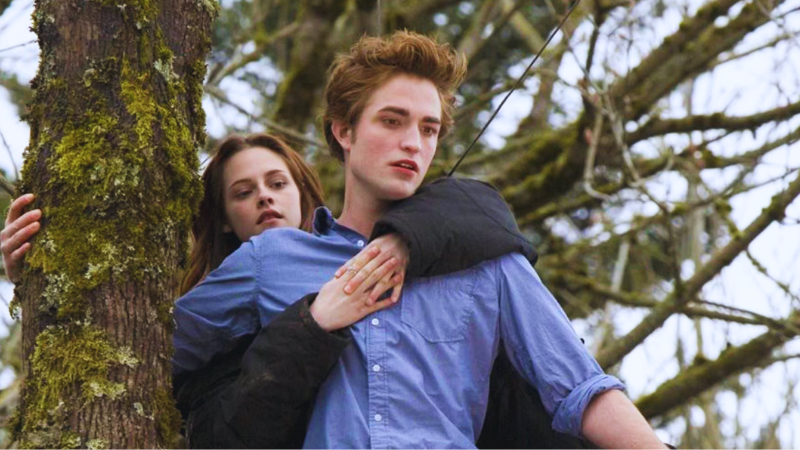
In a revealing conversation that blends nostalgia with a sobering reality, director Catherine Hardwicke shared a striking memory. After the original Twilight film soared at the box office—garnering more than $69 million in its opening weekend and ultimately becoming a $400 million global phenomenon—studio executives marked the occasion. Male directors would receive extravagant rewards for such success, she noted, like a car or a multi-picture deal. Yet her reward was a single, solitary cupcake.
This anecdote isn’t just about unequal pay or perks; it is emblematic of persistent disparity. It underscores the challenges she faced in Hollywood despite helming a cultural phenomenon that reshaped an entire genre and launched careers. Hardwicke’s revelation speaks volumes about the gulf between success and recognition for women directors, and the glimmers of hope that followed.
From Indie Auteur to Vampire Franchise Director
Before Twilight, Catherine Hardwicke was already making waves in indie filmmaking. Her debut, Thirteen (2003), co-written with Nikki Reed, offered an insider look at teenage life that stunned audiences and critics alike. She continued with Lords of Dogtown (2005), a raw yet tender tale grounded in Venice Beach skate culture. But it was Twilight, adapted from Stephenie Meyer’s bestselling novel, that thrust Hardwicke onto the world stage.
Her instinct for casting was pivotal. Eschewing studio preconceptions, she found Kristen Stewart and Robert Pattinson, asking key questions about chemistry and vision. That choice paid off spectacularly: Twilight launched with momentum and a fervent fanbase that followed the series through four sequels—though none were directed by Hardwicke. Contextualized by her strong sensibility, it is clear Twilight was not just an adaptation, but a director’s creative alchemy.
Box Office Success, Unequal Rewards
Despite Twilight’s resounding success, Hardwicke found herself excluded from blockbuster conventions. “I walked into a room with all these gifts, and everybody was congratulating the studio,” she said. She opened her token box to find a single, unassuming mini cupcake. Around her were rumors of cars, hefty contracts, and continuing deals handed to male directors after similar triumphs.
This anecdote resonated elsewhere. Summit Entertainment promoted male-led genre projects following Twilight, while Hardwicke was replaced by Chris Weitz for New Moon. Male directors helmed subsequent entries. What began as a breakthrough soon revealed itself to be a glass ceiling thinly plastered over by cosmetics.
Industry Patterns and Persistent Barriers
Hardwicke’s experience is not an outlier. Statistics consistently show women receive fewer directing opportunities in studio films, and when they succeed, they rarely receive equal recognition. Even high-profile filmmakers like Patty Jenkins, whose acclaim came with Wonder Woman, followed a fallow period after earlier work—mirroring Hardwicke’s own trajectory post-Twilight.
In her recent interview, Hardwicke was unflinching: “No, people aren’t going to hire more women directors. They’re not going to give you the next job and let you do something great.” That blunt assessment came amid broader evidence—from former screenwriter and showrunner interviews, to consistent industry reports—that women continue to face systemic exclusion from major directing roles.
Beyond the Cupcake: Hardwicke’s Ongoing Vision
Despite these challenges, Hardwicke has remained remarkably productive and resilient. After Twilight, she directed Red Riding Hood (2011), although budget constraints and creative limits were far more rigorous than during her breakout. She later helmed Miss Bala (2019) and Prisoner’s Daughter (2022), reflecting her ability to pivot and remain in demand.
Most recently, she’s returned to socially-conscious storytelling with Street Smart, a film focusing on homelessness in Los Angeles. Partnering with charities such as Covenant House, Hardwicke blends cinematic ambition with activism. She describes it as a cross between The Breakfast Club and real-day urban struggle—a defining project grounded in empathy and inclusivity.
Hardwicke’s career may have deviated from the mainstream path, but her intent remains consistent. She continues to uplift voices, anchor social issues, and craft stories driven by character depth and moral complexity.
The Ripple Effect of the Cupcake Story
The mini cupcake story resonated because it was so vivid. While many stories about discrimination in Hollywood remain abstract, this one—cute, petty, human—crystallizes a deeper truth. A tiny gesture can reveal a structural disconnect in how the industry values achievement.
Moreover, Hardwicke’s openness created a widespread conversation. Interviews, think pieces, and social media commentary unpacked what that cupcake symbolized: a smirk from the institution rather than meaningful acknowledgment. Others—like Jenkins and Taylor-Johnson—had already carved paths forward, but Hardwicke’s experience underscored that even monumental success does not guarantee progress.
The Value of Hardwicke’s Voice
Throughout her career—from indie breakout to blockbuster director and now social-issue storyteller—Hardwicke has maintained a persistent voices of advocacy. Her early films shattered taboos, exploring female adolescence with empathy and honesty. She has continued that spirit with Street Smart, partnering her craft with community action rooted in filmmaking.
This latest wave of attention feels overdue. The cupcake anecdote isn’t just a humorous vignette—it is an accusation, and a catalyst. Whether it leads to practical change—more female voices at the table, more equitable rewards, more transparent lines of opportunity—remains to be seen. But the momentum is undeniable.
A Legacy of Inclusivity and Craft
Hardwicke has long championed emerging talent. She gave early high-profile roles to Robert Pattinson, Kristen Stewart, Oscar Isaac, Jeremy Renner, and others—demonstrating her ability to spot potential and shape performances. That legacy, combined with her continued advocacy, speaks to a director who has resisted reductive expectations at every turn.
When reflecting on the cupcake, she doesn’t linger on bitterness. She remains warm toward the film that changed her life—and toward the young artists whose stars she helped ignite. Her focus now is on continued storytelling, equity in opportunity, and crafting platforms for authentic narratives.
Hollywood’s Reckoning with Gender Equity
Hardwicke’s story is part of a larger dialogue across film and television. The industry’s reckoning with equity has grown louder, with slow but steady progress. Initiatives like Time’s Up, the ReFrame project, and inclusion riders have set new expectations across studios.
What remains maddeningly rare, however, is the genuine transformation in inside recognition—like sequel deals, high-profile follow-ups, or creative ownership. Hardwicke’s cupcake isn’t just a sweet token; it was a substitute for equitable rewards. And while the industry institutes more guidelines, the subtler flipside—equally subtle support—remains critical.
From Cupcake to Cause
Catherine Hardwicke’s cupcake story came wrapped in novelty and protest. It embodied everything she did not receive: genuine validation, continued opportunity, respect. Yet her career trajectory since then reveals persistence more than pain. From Thirteen to Street Smart, she continues to illuminate stories that matter, push for representation, and elevate social dialogue.
That tiny cupcake transformed from a symbol of inequity into an emblem of defiance. Hardwicke has chosen to channel that moment into artistry, advocacy, and personal resilience. In doing so, she reminds Hollywood—and the world—that true success isn’t measured in perks, but in influence, empathy, and the courage to tell stories that resonate, not just entertain.