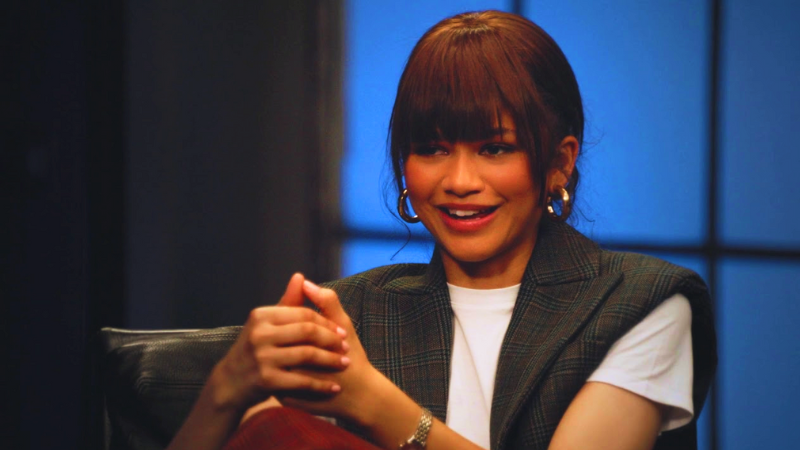
As one of Hollywood’s most versatile young actresses, Zendaya has become known for her bold creative choices—whether in TV dramas, blockbuster franchises, or boundary-pushing social commentary. With her starring role in Dune: Part Two, she explores a path less conventional: emotionally complex storytelling at epic scale. While most focus on interstellar politics and massive set pieces, Zendaya is here to remind us that Dune is also deeply human. I sat down with her—and team Dune—to explore how she’s masterfully balancing fame, artistry, and emotional depth in this transformative sequel.
Waking Up to Stardom: From Teen Roles to Leading Lady
Zendaya rose to fame thanks to the Disney Channel series Shake It Up, but she refused to remain a singing-dancing tween. Her role in the coming-of-age drama Euphoria established her as an actor with guts: daring, emotionally raw, and unafraid of ambiguity. Now, as Chani in Dune: Part Two, she’s stepping into the limelight with a franchise known for imposing spectacle and philosophical worldbuilding.
Zendaya described the transition as intuitive rather than calculated. “With Euphoria, I could explore extreme emotional territory, but Dune invited that same intensity on a much bigger canvas,” she shared. The challenge? Capturing Chani’s spirituality, her fierce loyalty to Arrakis, and her protective vulnerability—all while large-scale wars rage. For Zendaya, it was about letting the inner emotional arc sit comfortably among desert battles.
Chani’s Evolution: From Support to Narrative Catalyst
In the first Dune film, Chani mainly appeared in visions—sand-swept, urgent, guiding Paul Atreides (played by Timothée Chalamet). Zendaya’s minimal screen time hinted at a powerful presence, suggesting a character yet to fully unfold. That subtle performance made the punch line obvious: audiences would want more. In part two, Chani is given full narrative weight. Zendaya explained how she moved Chani from advice-giver to desert heart of a resistance movement.
She spoke passionately about scenes where Chani faces personal losses: deaths of loved ones, ethical reckonings, and the sacrifices demanded by prophecy. These are not optional emotional layers. Zendaya described these moments as “core to understanding the stakes—in battle and within Chani’s own heart.”
The Balancing Act: Inner Lives and External Storms
A cinematic dilemma in Dune: Part Two was marrying the heightened world of desert sandworms and interplanetary wars with characters who live and breathe. Zendaya acknowledged how director Denis Villeneuve emphasized small gestures: a pause, a breath, a look before a speech. She told me, “When Chani smiles at Paul, I want you to feel that is the only safe moment she has. That’s emotional architecture.”
Zendaya’s voice grew soft when reflecting on a pivotal bedroom scene. Here, with limited visual effects, Chani comforts Paul in a desert room. She sets aside rebellion tactics to share a real, tender moment. Zendaya emphasized how filming felt, noting that the camera intentionally moved slowly to capture truth in a glance, not fireworks.
Physical and Spiritual Preparation
Beyond emotional work, embodying Chani required rigorous physical preparation. Zendaya trained with desert survival experts, learning how to walk on dunes in stillsuits, wield crysknives, and move subtly in shifting sands. But for her, the spiritual connection was just as important. She read Frank Herbert’s folklore passages, exploring the Fremen’s oral folklore. Zendaya spent time studying ritual movement and meditative breathing to emulate how Chani connects with sand and water.
“When you train physically, you also train your instinct,” she explained during our conversation. “It informs how you speak in a shrine, how your hands shift over water, how your posture changes when passed an honor blade.”
The team supported this holistic preparation. Costume designer Jacqueline West tailored the stillsuits to fit Zendaya’s movement—tight enough to suggest desert efficiency, but breathable enough so she could emote. Production designer Patrice Vermette staged moments of intimacy in vast landscapes. The world becomes both backdrop and character. Zendaya described filming dunes far from any camera footprint and performing whispered lines to the sun.
A Wider Cast, Shared Energy
Zendaya emphasized that she and Timothée Chalamet built a deep trust off-camera, anchored in shared vulnerability. They didn’t need to chase spectacle; they could lean into pain or quiet forgiveness. Zendaya mentioned several mid-dune conversations post-shoot, where they tested Shakespeare lines or sang folk songs. These moments grounded them in place and relationship.
She also paid tribute to supporting cast members—Josh Brolin as Gurney Halleck, Rebecca Ferguson as Lady Jessica, Javier Bardem as Stilgar, and Florence Pugh as Princess Irulan. Zendaya credited Bardem in particular for modeling a balance of leadership and emotional quiet. “He gave me space to breathe,” she said. “Watching a leader in the desert surf through silence helped me find Chani’s own.”
Villeneuve’s Vision: Performance Sporting Epic Lens
Zendaya referred to Villeneuve’s directing as collaborative, not dictatorial. Denis runs scenes as if orchestrating a play, ensuring dialogue, emotion, and pacing hit the right extremes. She described the day when they filmed a ceremonious emergence from a sietch: cameras encircled them, wind machines howled, extras marched in formation. It was cinematic grandeur—but Zendaya knew the heart must remain rooted in character. A small freeze-frame close-up captured a tear trail before desert dust filled it. That, she said, was the moment fan reactions hinge on.
Denis has spoken about maintaining close-ups even in 100-foot-wide shots. As Zendaya lived through that process, she said it allowed her to feel amplified without losing her own sense of nuance. Partnerships like this explain why the creative team resisted pushing sanctuary music too reserved or desert drama too tearless.
Deeper Themes: Prophecy, Agency, and Sisterhood
Zendaya’s Chani faces destiny as both blessing and burden. In the novel and script, the Fremen’s prophecy suggests she may lead rebellions, bear a messianic family, and possibly navigate extreme expectations.
Zendaya spoke about prophethood not as a gift, but a choice layered with danger. “Chani’s identity shifts several times in this film,” she told me. “From lover to leader, from outsider to prophet.” She also shared how she prepared mentally, isolating in quiet rooms with only stillness and breath. That was rare for a franchise film, but essential, she noted, to ensure emotional authenticity.
She also emphasized a theme often glossed over: sisterhood. Several Fremen women share lineage, ceremony, grief. That community envelops Chani and grants her strength. Zendaya pointed out a scene where three Fremen leaders share evening prayer, their silhouettes in orange fire. These moments are small but essential for tonal balance, human depth, and on-screen empathy.
Style of Dialogue: Simple Sentences, Heavy Weight
One hallmark of the Dune films is their measured pacing and deliberate dialogue. When Zendaya says, “Everything dies, Paul,” the script doesn’t add fanfare. The power comes from delivery. She practiced with dialect coaches to find the right tempo. She treated each word as prayer. She admitted to cutting lines during rehearsal if they lost rhythm—they favored fewer words, stronger impact.
During filming, she often stopped to ask Villeneuve after each take—a simple, “How do you want her to say this?” He would answer with tone direction: strength, regret, longing. Zendaya recalls that the trilogy’s language feels “scriptural but personal,” and she strove to make it seem unscripted.
Challenging the Norms: Race, Representation, and Authenticity
Zendaya is African American with mixed heritage, and the Fremen are described in Herbert’s work with dark skin and desert adaptation. She brought both pride and responsibility to the role. She spoke about wearable authenticity in costuming, not theatrical tinting. Jacqueline West used creams, grays, and metals rather than makeup to match sand-blown flesh. This naturalistic texture expressed desert-born resilience.
Zendaya praised the production’s culture of respect. Dune has avoided the historical grime of many desert stories. There were no offensive accents or minimized performances under smears or warpaint. Instead, clothing and patterns tapped Fremen roots: tribal cuts and geometric metallic bands that reflected desert sunsets. This dignified lens allowed Zendaya to feel seen and believed.
Beyond the Film: Creative Collaborations and Influences
Zendaya cited diverse sources that shaped her performance. She referenced Franco-Algerian filmmaker Abdelkader Benali for capturing silent desert identity. She discussed studying American playwright August Wilson’s “colored lights on Black life” as a reminder theater of internal struggle.
She also referred to indigenous Australian sandwardens who burn early morning land ritual to steward fire, a cultural echo resonant with Fremen desert survival. While not used on set, these rituals shaped how she approached the film’s connection between Chani and Arrakis.
Teasing Part Two’s Emotional Highlights
While avoiding spoilers, Zendaya allowed glimpses into Chani’s arc. Early on, Chani questions Paul: are we fighting for Arrakis, or for our relationship? That remorse shows a side of love in conflict. She plays a heartbreaking funeral scene, mourning a family member with quiet tears swallowed in spoken prayer.
She also reveals a veiled exchange with Princess Irulan (Florence Pugh) over alliance heirs. “That conversation is about future and legacy,” Zendaya told me. “It’s delicate power, not war.” These relational conversations—motherhood, alliances, patriarchal responsibilities—add weight and nuance beyond desert command banners.
Pressures and Possibilities of Franchise Stardom
Zendaya acknowledged how expectations can warp intentions. Public scrutiny on every Instagram post, every outfit at festivals, becomes intense. She emphasized needing ongoing time to unburden off-script. Usually in the desert desert, she would write in journals with olive ink, reflecting personal emotional arcs instead of green rooms. That helped her detach from character, and also to bring renewed clarity when Nsadas finished.
She cited mindfulness routines before takes—clearing adrenaline or photo-shoot thoughts. For her, Dune: Part Two isn’t superheroism. It’s spiritual processing of expanded fame, planetary consequences, and private identity.
Community Impact and Cultural Reflection
Zendaya is aware that viewers will see their own journeys in Chani’s path—resistance, identity-building, protective family love amid war. She wants the film to offer hope: “Even in storms—literal or metaphorical—you can stand, you can choose, you can blaze your own path.”
While Dune: Part Two offers philosophical reflection, she wants its resonance to be broader. To those facing national crises, she hopes Chani’s loyalty, community ethos, and quiet courage stand as a powerful vision.
The Final ‘Part Two’ on Dune: A Masterclass in Emotional Scale
As finishing take, Zendaya described the filming day when Arrakis’ twin moons brightened over Fremen warriors. The final moment was tears—not her own, but crew members weeping at desert vastness. She realized they weren’t filming a movie—they were holding myth together.
In 2021, she told Vanity Fair that Dune was her “dream role.” She had no idea the catharsis that final movement would hold. Zendaya promised the story would leave audiences capacity-shaken. In Part Two, she suggested, desert arcs must match inner arcs.
Evolving a Career One Role at a Time
Zendaya’s choices show a steady arc—from Disney stardom through indie drama to franchise cinema that prizes emotional honesty. Roles like Dune: Part Two craft a legacy built not of box office records but of narrative bravery. She’s building a career not on youth-brand appeal, but on trust—the audience trusting she will give them challenging, creative nourishment.
She reflected that each role is an apprenticeship. At 28, she’s not yet peaking. “There are roles I don’t even know exist yet,” she said, smiling. She’s ready to dive further into directorial or producing paths—already a producer on Euphoria. She’s the sort of collaborator directors want: purposeful, probing, unafraid of complexity.
Looking Ahead: Beyond Dune and Into the Future
Zendaya hinted at what’s next: a modern cinematic landscape where actors can be bold and studios can take chances. We can expect her to continue balancing work across independent films, authorship projects, and global tentpoles.
With Dune: Part Two releasing next month, she’ll step into the spotlight among Chani’s community. But the bigger story is what happens after. The world is watching, and Zendaya is ready to lead again—this time with emotional scales as wide as Cameron’s desert panorama.
Conclusion
Zendaya’s role in Dune: Part Two isn’t just another step up—it’s a monumental leap. By merging spiritual depth with star presence, she navigates desert storms and human storms alike. Between scenes of ritual, combat, love, and loss, Zendaya is crafting a legacy: one that resists industry norms and offers cinematic gravity where least expected.
So when Dune: Part Two debuts, remember that amid sandworms and politics, Chani carries something bigger: a woman’s strength to stand gentle amid brutality, to choose hope over prophecy, and to hold love while the world shifts. Zendaya isn’t just playing a role—she’s living it, and that’s what makes cinema worth believing.